
When Adaptive Living Means Getting Back to What You Love
"Where words fail, music speaks." ~ Hans Christian Andersen
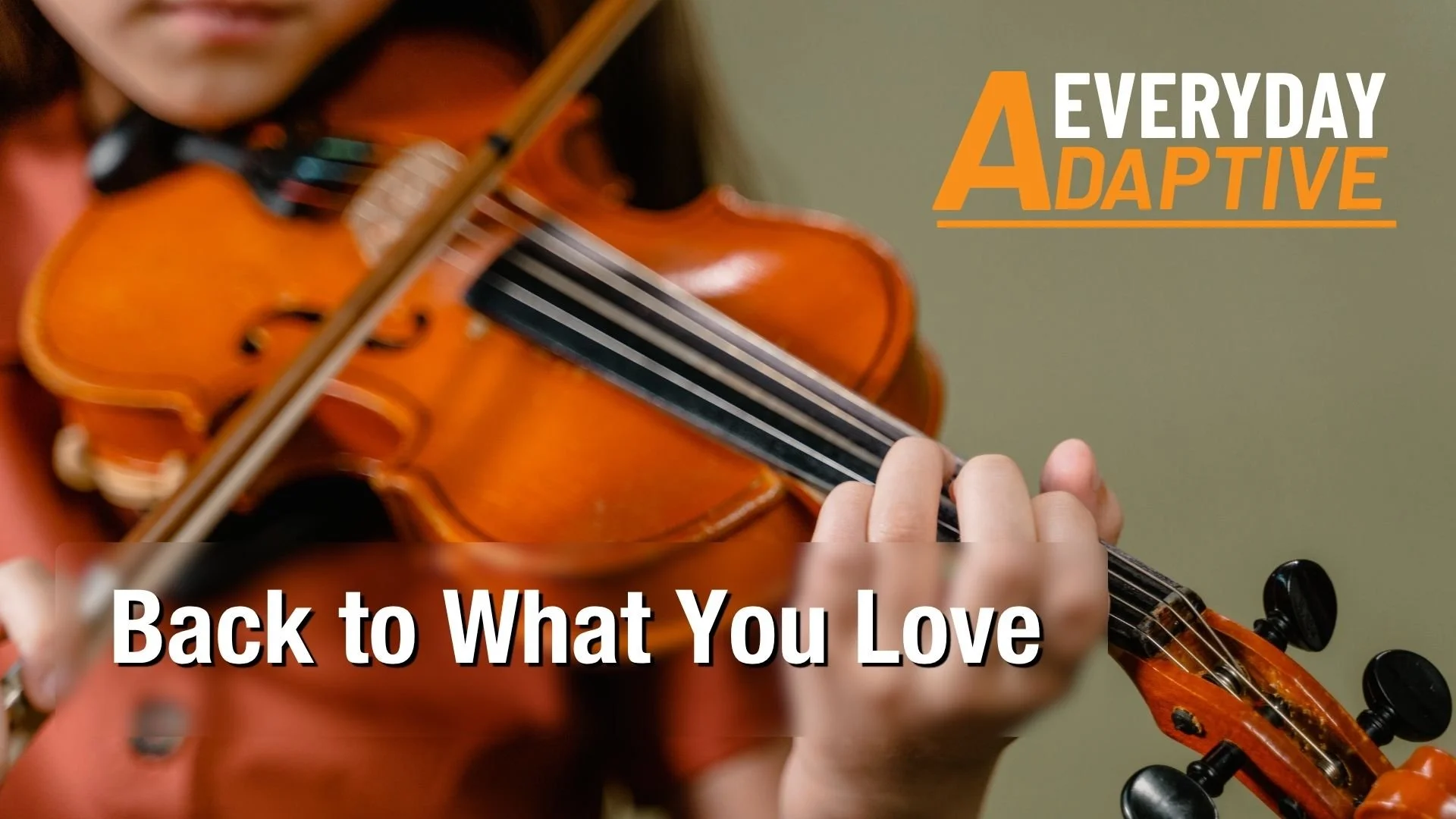
Tiana is a talented 12 year old violinist who recently appeared in a televised performance of "I See the Light" for the Royal Children's Hospital's 2025 Good Friday fundraiser. The audience experienced a magical moment of beautiful music from a poised young performer. Few would have noticed the small silicone cuff helping her hold the bow, or the years of work behind it. Tiana survived a stroke at age 10 that left her left side paralyzed, and she has spent the years since relearning the things that matter to her, including her violin.
This is not a story about adaptive equipment. It is a story about a girl who refused to let go of the thing that made her feel most like herself.
At AECorner Community, we talk a lot about dignity, independence, and comfort in the context of daily living tasks, like getting dressed, bathing, and moving through a home safely. And those conversations matter deeply. But there is another conversation that does not happen nearly enough in the adaptive equipment space, and it is the one about everything else. The hobbies and passions that a person has carried their whole life. The early Saturday morning with a warm cup and no agenda, when the house is still and the day has not yet asked anything of anyone. The creative outlets and the sports and the music that remind someone, on the hardest days, that they are still fully themselves. These are not luxuries sitting at the edge of what adaptive living means. They are at the center of it, and they deserve the same attention and care that we give to the rest of daily life.
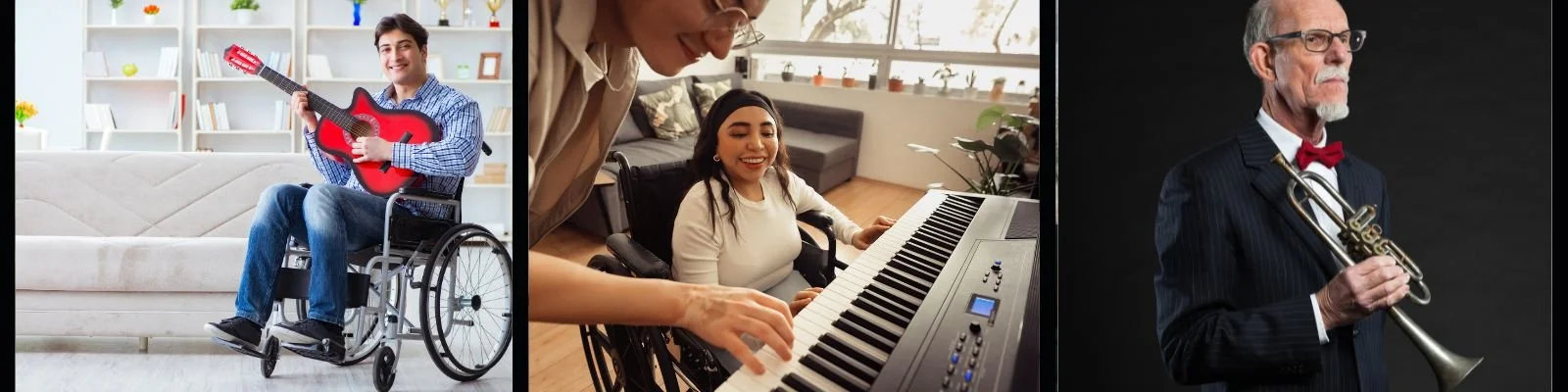
For caregivers and families navigating adaptive equipment for the first time, the focus understandably goes to the essentials first. Can this person get through their day safely and with dignity? That question is urgent and it deserves to be answered first. But alongside it, and sometimes because of it, there is another question worth asking: what does this person love, and is there a tool, a support, or an adaptation that makes it possible for them to keep doing it?
The answer, more often than people realize, is yes.
Occupational therapists have long understood that meaningful activity, the things a person genuinely wants to do rather than simply needs to do, plays a significant role in rehabilitation and overall wellbeing. When someone regains the ability to do something they love, even partially, even differently than before, something shifts. It is not just physical. It reaches something deeper.
Adaptive equipment exists for the practical and the necessary, and it also exists for the meaningful. It exists for the gardener who wants to feel soil in their hands again, for the child who wants to keep playing an instrument, for the adult who wants to paint or cook or get back on the court, and for anyone who needs a reminder that their life is still fully their own.
Tiana's story is one of many, and stories like hers deserve to be told.
For the full story of Tiana's journey and the tool that helped her get back to her violin, visit the original article at EaZyHold Community:Pediatric Stroke Survivor Plays Violin for Hospital Fundraiser
Everyday Adaptive is produced by AECorner Community in partnership with Brilliant Beam Media.