

Summer Is an Invitation. Here Is How to Say Yes.
The season of spontaneity can feel complicated for families navigating adaptive needs. A little planning, and the right mindset, can open the whole season up
Summer arrives like an open door. The weather warms, the days stretch long, and suddenly there are beach trips, backyard games, garden projects, and ice cream runs that nobody planned before breakfast. For so many families, that spontaneity is the best part of the season.
For families navigating adaptive needs, it can also be the trickiest part.
The school year, for all its demands, comes with structure. Therapy sessions are scheduled. Classroom supports are in place. Routines are built around what a person needs to participate fully. Summer takes that scaffolding away, and what is left is a season full of wonderful, unplanned moments that were not designed with everyone in mind. The neighbor suggests a barbecue. The family decides on mini golf after dinner. The kids want to paint rocks in the driveway. And someone who needs a little support to grip a paintbrush, hold a garden trowel, or swing a putter can end up watching instead of doing.
Occupational and physical therapists have understood for a long time what families discover every summer: recreation is not a break from building strength, coordination, and confidence. It is one of the best ways to build them. A morning in the garden engages the senses and the muscles. A board game night builds fine motor skills and family connection at the same time. Sandcastle construction is, from a therapist's view, a beautifully disguised therapy session. The benefits of summer play reach the body, the mind, and the relationships around the person, all at once.
So how does a family say yes to the season?
It starts with thinking about activities in terms of participation rather than perfection. A child who helps stir the batter is part of the cookout. A grandparent who holds the scoring card is in the game. Participation can be adapted, shared, and shaped to fit the person, and the moments that result are no less real for having been adjusted.
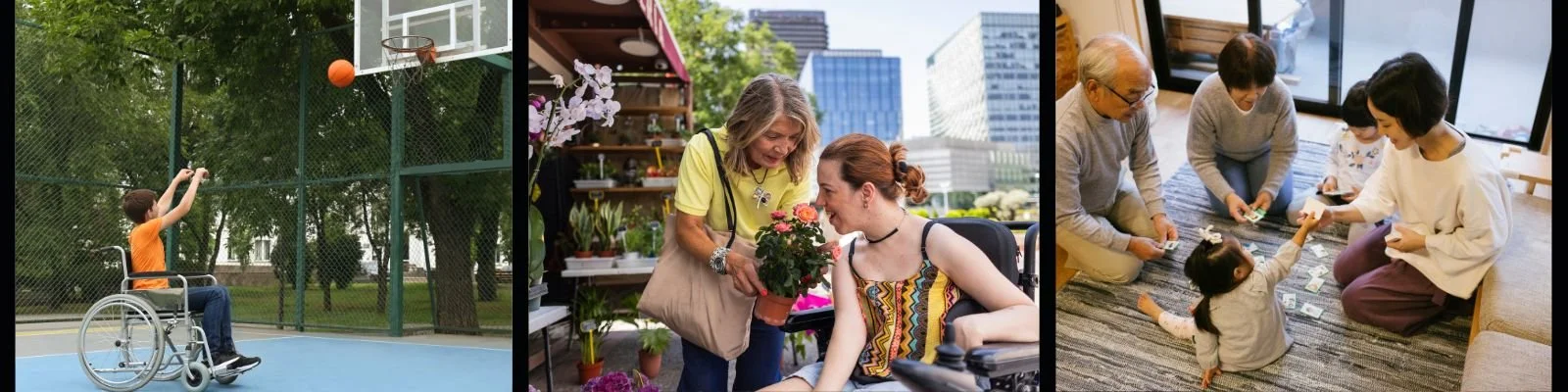
It helps to think ahead just a little. Families who keep a small kit of versatile adaptive tools, the kind that travel well in a beach bag or backpack, find that spontaneity gets easier. The goal is not to prepare for any specific activity. It is to be ready for the unplanned ones, because those tend to be the moments that become the stories a family tells for years.
And it means letting go of the idea that an activity has to look a certain way to count. Bocce with an adapted grip is still bocce. Twister with a helping hand on the spinner is still chaos in the best way. The ice cream cone held a little differently still tastes like summer.
The families who get the most out of the season tend to be the ones who stopped asking "can we do this?" and started asking "how can we do this?" That single shift in the question opens up gardens, beaches, game nights, campgrounds, and kitchens.
Summer is an invitation. Everyone deserves to RSVP yes.
For practical activity ideas spanning gardening, water play, adaptive sports, crafts, and family game nights, visit the original article from the therapists at FUNctionalhand: Adaptive Summer Activities: Making Recreation Accessible for All Abilities
Everyday Adaptive is produced by AECorner Community in partnership with Brilliant Beam Media.